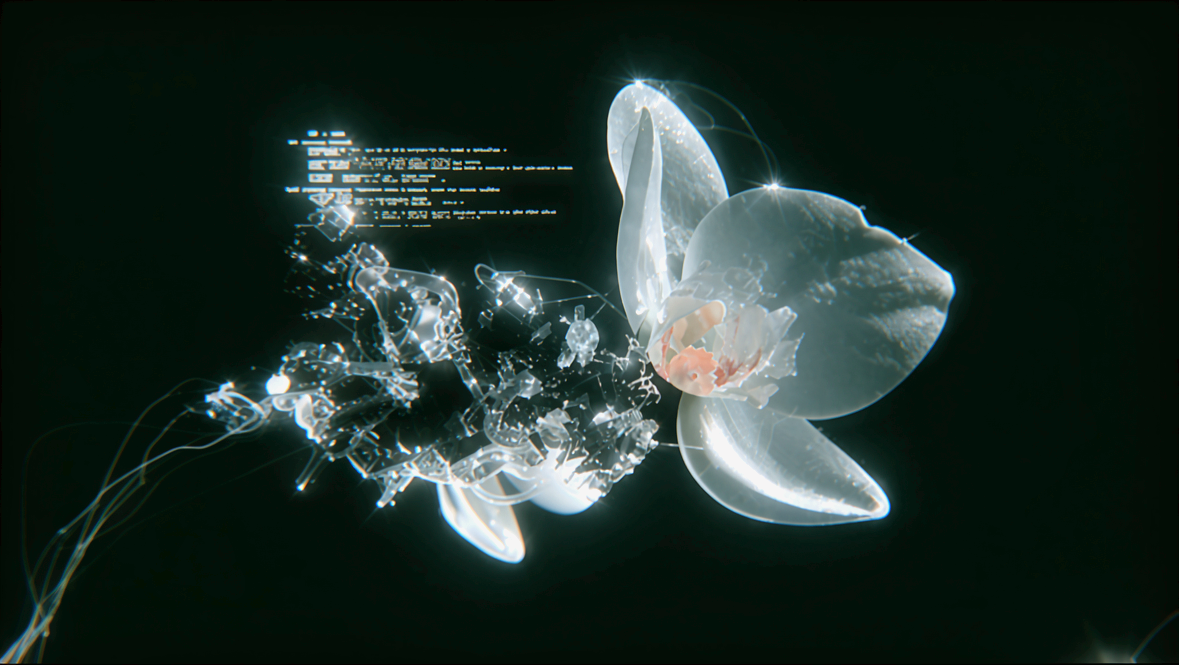
This ComfyUI workflow leverages the Kling 3.0 model to transform text prompts into high-quality images. The core of this workflow is the KlingImageGenerationNode, which processes the input text to generate a visually rich and accurate representation of the described scene. This node is specifically designed to interpret complex language constructs, making it ideal for creating detailed and nuanced images. The workflow concludes with the SaveImage node, which ensures that the generated image is stored efficiently for further use or sharing. This workflow is particularly useful for artists, content creators, and developers who need to quickly prototype visual concepts based on textual descriptions.
API
Use this workflow from code
Every Comfy workflow is a JSON graph. The payload below is this workflow, exactly as ComfyUI runs it — fetch it from the URL, keep it in version control, or load it in ComfyUI and run it node by node.
GET https://comfy.org/workflows/download/0250a153895c.jsonFetching workflow JSON…
Run it from Python or TypeScript with the Comfy SDK. The same code targets Comfy Cloud or a ComfyUI you host yourself — only the base URL changes.
# Install (beta)
pip install comfy-sdk        # Python
npm i @comfyorg/sdk          # TypeScript

# Run "Kling 3.0: Text to Image" (Python)
from comfy_sdk import Comfy

client = Comfy(api_key="comfyui-...")

# This workflow, exported in API format (see note below)
wf = client.workflows.from_file("api_kling_v3_t2i_api.json")

job = client.run(wf)
for output in job.get_outputs("29"):  # SaveImage
    output.to_file(output.name)
The SDK takes a workflow in API format: open this workflow in ComfyUI and use File → Export Workflow (API). API access requires a Comfy Cloud plan with an API key. SDK docs · Get an API key
FAQ